Online Sheet Metal Weight Calculator (kg)
Use our sheet metal weight calculator to estimate the approximate weight of aluminium, brass, copper, stainless steel, zinc and mild steel sheets using your own dimensions.
Enter the sheet length, width, thickness and material below to calculate the weight of a custom sheet size. This tool is useful for estimating material weight before ordering, transport planning, fabrication, laser cutting or requesting sheet metal cut to size.
This page is designed for calculating the weight of custom sheet sizes. For standard kg/m² lookup values and thickness comparison tables, view our sheet metal weight chart.
Enter your sheet size below to calculate weight instantly.
Calculate Weight for Custom Sheet Sizes
Enter your dimensions below for an instant estimated weight.
Weight updates automatically as dimensions are entered.
Estimated weight:
1.35 kg
1000mm × 500mm × 1mm aluminium sheet
Used for estimating fabrication weight, transport planning and material ordering.
This calculator provides an approximate weight only. Actual sheet weight may vary slightly depending on grade, alloy, finish and manufacturing tolerance.
How the Sheet Metal Weight Calculator Works
The calculator estimates sheet weight by multiplying length × width × thickness × density. Each metal has a different density, so the same sheet size can produce very different weight results depending on the material selected.
For example, aluminium is much lighter than brass, copper, mild steel or stainless steel. This makes the calculator useful when comparing different materials for handling, delivery, fabrication or installation.
Calculate Aluminium, Brass, Copper, Zinc and Steel Sheet Weight
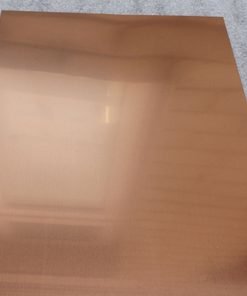
You can use this calculator to estimate the weight of common sheet metals supplied by Metal Offcuts, including aluminium, brass, copper, stainless steel, zinc and mild steel.
Simply choose the material from the dropdown menu, enter your dimensions in millimetres and the calculator will show the estimated sheet weight in kilograms.
Custom Sheet Metal Sizes
This tool is especially useful for custom sheet sizes, one-off pieces and cut panels where a standard weight chart is not specific enough. It can help you estimate the likely weight before requesting a quote, arranging transport or planning installation.
If you need sheet metal cut to your own dimensions, see our sheet cutting service or explore the material categories below.
Order Sheet Metal Cut to Size
Once you have estimated the approximate weight, you can order directly from our aluminium sheet cut to size page or explore our sheet metal cut to size service. We supply new aluminium, brass, copper, stainless steel, zinc and steel sheets, with trimming and laser cutting available for many applications.
- Aluminium Sheet Metal
- Brass Sheet Metal
- Copper Sheet Metal
- Stainless Steel Sheet Metal
- Zinc Sheet Metal
- Mild Steel Sheet Metal
Need Standard kg/m² Values?
For standard sheet weight values by material and thickness, use our sheet metal weight chart. That page is better suited to quick kg/m² comparisons, while this calculator is designed for specific sheet sizes and custom dimensions.
Frequently Asked Questions
How do you calculate sheet metal weight?
Sheet metal weight is estimated by multiplying the sheet length, width and thickness by the density of the chosen metal. This calculator performs that calculation automatically using standard density values for common sheet metals.
Can I use this calculator for custom sheet sizes?
Yes. This tool is designed for custom dimensions as well as full sheets. Simply enter your required length, width, thickness and material to estimate the weight.
Which metals can I calculate here?
You can estimate the approximate weight of aluminium, brass, copper, stainless steel, zinc and mild steel sheet using the calculator above.
Is the calculated weight exact?
No. The result is an approximate guide based on standard density values. Actual sheet weight can vary slightly depending on alloy, grade, finish and manufacturing tolerance.
Where can I compare standard kg/m² values?
For standard weight-per-square-metre reference values by material and thickness, see our sheet metal weight chart.